23 October 2026
The Comfort and Soul of Homemade Jamaican Food
Presented by @devinvxpo080
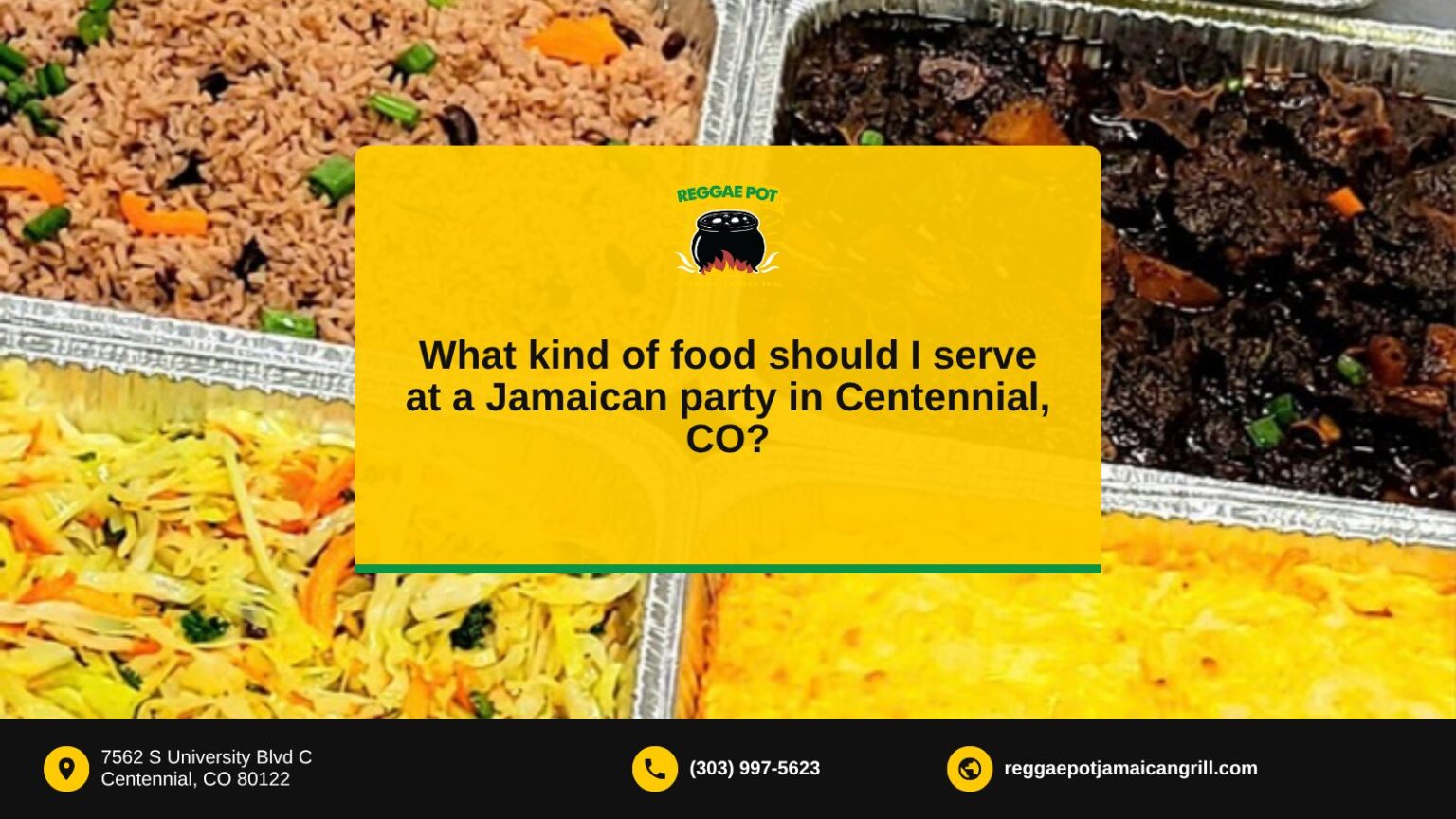
There is a particular kind of comfort that comes from homemade Jamaican food, and it has very little to do with speed or convenience. It lives in the long simmer of a pot, in the sharp perfume of scallion and thyme hitting hot oil, in the patient wait while a tough cut of meat softens into tenderness. It lives, too, in memory. A kitchen filled with the smell of curry goat or brown stew chicken can collapse time. Suddenly you are back at a family table, on a veranda, at a Sunday gathering, or standing close enough to the stove to be trusted with stirring the pot.
That emotional pull is part of what makes Jamaican food so enduring. It is bold, yes, but not loud for the sake of it. The flavors are layered with care. Heat matters, but so do sweetness, smoke, herbs, acidity, and depth. Homemade cooking brings those layers into focus in a way restaurant meals often cannot. Even excellent takeout tends to chase consistency and speed. Home cooks can follow instinct, adjust seasoning by smell as much as taste, and let a dish develop at its own pace.
People who are new to Jamaican cooking sometimes reduce it to spice level or a short list of famous dishes. That misses the point. The soul of the food is not just in what is cooked, but in how it is cooked and why. Jamaican kitchens have always been places of resourcefulness, adaptation, and pride. A meal can be humble and still feel abundant. Rice and peas, cooked properly, is not a side dish afterthought. It is fragrant, rich with coconut milk, and worthy of attention on its own. Fried plantain is not decoration. It brings sweetness and softness that rounds out a plate.
More than flavor, a way of feeding people
Homemade Jamaican food carries a deeply practical kind of generosity. The dishes are built to feed families, neighbors, guests who arrived unannounced, and children who claim not to be hungry until they smell what is on the stove. Pot cooking matters here. Big batches matter. Leftovers matter, too, and often improve by the next day when the seasoning settles deeper into the food.
That is one of the reasons so many classic dishes are so satisfying at home. They are not engineered to impress in a single bite. They are designed to nourish over a meal, over a weekend, over a gathering where the table is constantly being revisited. Oxtail is a perfect example. When cooked well, it is rich, sticky, and deeply savory, but it also asks something of the cook: time, judgment, and restraint. Rush it and the texture suffers. Oversalt it early and there is no easy fix. Let it braise slowly, skim if needed, add butter beans at the right moment, and it becomes the kind of dish people remember months later.
The same is true for soup. Jamaican soups are often meals in themselves, not light starters. Chicken foot soup, red peas soup, mannish water, pumpkin soup, and fish tea each have a place in home cooking because they stretch ingredients, build body, and deliver comfort in a bowl. A good homemade soup tastes lived-in. It should feel as though every ingredient has contributed something meaningful.
The kitchen language of seasoning
If there is one thing that separates excellent homemade Jamaican food from mediocre versions, it is seasoning. Not just spice, seasoning. Those are not the same thing. Heat from Scotch bonnet is important, but it is only one note. The real backbone comes from a familiar cast of ingredients used with judgment: onion, scallion, thyme, garlic, ginger, allspice, black pepper, pimento, soy sauce in some kitchens, browning, vinegar or lime, and often a homemade green seasoning blend that shifts from family to family.
This is where lived experience shows. Recipes can tell you amounts, but they cannot fully teach timing or balance. If you leave thyme in too long, it can dominate. If you scorch garlic, the flavor turns bitter and flat. If you use too much browning to fake depth, a stew can taste burnt rather than rounded. A seasoned cook knows when a marinade needs more acidity, when a curry powder needs to bloom longer in oil, and when a Scotch bonnet should stay whole in the pot instead of being cut open.
That whole pepper decision says a lot about the intelligence of Jamaican home cooking. Some families want the full fire, seeds and all. Others want only the scent and a gentler warmth. Dropping a whole Scotch bonnet into simmering rice and peas gives perfume without overwhelming the pot, as long as it does not burst. That is the kind of detail that turns a recipe into real cooking.
Why homemade tastes different
Restaurant Jamaican food can be excellent, but homemade Jamaican food often has a softer edge and deeper personality. The difference begins with marination. At home, chicken might sit overnight with green seasoning, black pepper, all-purpose seasoning, fresh herbs, and a touch of Scotch bonnet. Beef for stew may be rubbed and left to absorb flavor for hours. Fish may be washed with lime or vinegar, then seasoned in a way that respects its delicacy rather than bulldozing it.
It also comes down to fat and moisture. Home cooks often know exactly how much oil a dish needs and when to hold back. They know that callaloo can become greasy if handled carelessly, or that ackee should be folded, not beaten, if you want it to stay tender and distinct. They know that steamed cabbage should still have life in it, not collapse into a wet tangle. These are not glamorous details, but they are what separate memorable food from average food.
Then there is the matter of patience. Escovitch fish improves when the pickled vegetables settle a bit. Curry goat is better when the curry is properly burned or bloomed before liquid goes in. Cornmeal porridge needs enough stirring to stay smooth, but not so much aggression that it turns gluey. Homemade cooking makes room for this patience because the goal is not turnover. The goal is a meal that feels right.
The emotional center of staple dishes
Some dishes carry a special emotional weight because they show up repeatedly in ordinary life. jamaican food They are not reserved for holidays or major events. They are simply part of what home tastes like.
Rice and peas may be the best example. There is a common misunderstanding outside Jamaica that the dish contains green peas. In many Jamaican kitchens, it is made with red kidney beans or gungo peas, depending on the occasion and the season. That distinction matters less than the method. Coconut milk, thyme, scallion, garlic, and often a whole Scotch bonnet create a pot of rice that smells almost complete before the grains are fully cooked. When done properly, each grain stays separate, the beans remain intact, and the coconut flavor supports rather than dominates. It is one of the simplest ways to tell whether a cook has command of the kitchen.
Brown stew chicken is another home favorite because it delivers so much from modest ingredients. The chicken is seasoned, often lightly floured or browned, then simmered with onions, peppers, tomatoes, and gravy until the sauce clings and darkens. Good brown stew chicken tastes savory, faintly sweet, and deeply chicken-like. That may sound obvious, but it matters. The seasoning should amplify the bird, not bury it.
Ackee and saltfish deserves its reputation, but the homemade version has a texture and gentleness that can be hard to find elsewhere. Ackee is delicate. Saltfish needs to be soaked and prepared with care so it seasons rather than overwhelms. Add sautéed onion, tomato, sweet pepper, and thyme, then fold the ackee in at the end. The dish should look vibrant and taste balanced, not salty and broken down. Served with fried dumpling, roasted breadfruit, or green banana, it becomes more than breakfast. It becomes a quiet ceremony.
The importance of ground provisions and starches
One of the great strengths of Jamaican food is how seriously it takes starch. In many cuisines, starch can feel like filler. In Jamaican home cooking, it is often the backbone of comfort. Green banana, yam, coco, cassava, sweet potato, boiled dumplings, festival, bammy, and breadfruit each bring a different texture and purpose to the plate.
That range matters because the right starch changes the entire eating experience. A plate of escovitch fish with bammy eats differently from the same fish with hard dough bread. Curry chicken with white rice gives one kind of satisfaction. Curry chicken with boiled green banana and yam gives another, earthier and more grounding. Breadfruit roasted over open flame, with its smoky edges and creamy interior, can anchor a meal in a way plain rice never could.
Homemade cooks understand those pairings intuitively. They know when a sauce needs something that will soak it up, and when a rich protein needs a simpler companion. They know that boiled dumpling should have bite, not mush, and that festival should be slightly crisp outside with a tender, faintly sweet center. These are not side issues. They are central to why the food feels complete.
Sundays, special pots, and the rhythm of home
If you spend enough time around Jamaican families, you start to notice that certain dishes belong to certain rhythms. Sundays often call for the big meal, the one that justifies extra prep, extra pots, and maybe a little argument over who makes it best. Curry goat, rice and peas, roast chicken, macaroni and cheese, plantain, and salad might appear together. Or it might be soup bubbling for hours, with everyone sneaking tastes before the official serving.
Holiday tables bring another layer of meaning. Christmas often carries the fragrance of sorrel, black cake, and ham. Easter may bring bun and cheese. These foods are not just seasonal because tradition says so. They mark time. They tell you where you are in the year and who you are with.
Still, everyday cooking is where the soul really sits. Tin mackerel rundown on a weekday. Stew peas after work. A quick saltfish fritter mix on a Saturday morning. Leftover rice reheated in a covered pot so it stays soft. These are the meals that build memory because they are repeated, adjusted, and handed down.
What outsiders often miss about Jamaican food
A lot of people associate Jamaican food with maximum heat and little else. That is one of the lazier misunderstandings. Scotch bonnet is famous for a reason, but Jamaican food is not a contest in pain tolerance. The best home cooks understand proportion. They use spice strategically. They also understand sweetness as a balancing force, whether from ripe plantain, carrots in a stew, coconut milk, or the natural sugars that develop when meat browns properly.
Another misunderstanding is that the cuisine is heavy. It can be rich, certainly, but it can also be bright and sharp. Escovitch vegetables bring acid and crunch. Freshly steamed fish with okra and carrots can feel clean and delicate. Callaloo, when well cooked, is earthy and fresh, not stodgy. Even a robust stew can taste lively if there is enough thyme, scallion, and pepper working through it.
People also underestimate the technical skill involved. Homemade Jamaican food can look rustic, but rustic does not mean careless. Getting the right color on stew chicken without burning the sugar or browning takes attention. Frying ripe plantain requires heat control. Making a smooth porridge requires timing and constant judgment. A dish may be familiar enough to seem easy, yet still reveal every shortcut the moment it hits the plate.
The small decisions that make a cook
Real kitchen knowledge often shows up in quiet decisions, the kind that recipes mention briefly or not at all. Wash the meat or fish properly, but do not waterlog it. Season assertively, then allow time for absorption. Brown in batches if the pot is crowded. Taste before adding more salt, especially if saltfish, stock cubes, or soy sauce are involved. Let cooked meat rest in its gravy instead of serving it dry from the pan.
A few principles come up again and again in strong Jamaican home cooking:
- Build flavor in layers rather than dumping everything in at once.
- Respect texture, especially with ackee, callaloo, fish, and dumplings.
- Let herbs and pepper perfume the dish, not just punish the tongue.
- Match the starch to the sauce and protein.
- Give the pot enough time to become itself.
These sound simple, but they are hard-won. Anyone can follow a recipe once. The real test is whether you can rescue a pot that is a little too thin, a little under-seasoned, or taking longer than expected. Experienced cooks know how to reduce a gravy without tightening the meat, how to brighten a flat dish with fresh thyme or a splash of acid, and how to hold food so it stays appetizing for late arrivals. That is the practical intelligence of home cooking.
Why homemade Jamaican food keeps people connected
For Jamaicans living abroad, homemade Jamaican food often becomes a form of continuity. Ingredients may change a little depending on where you shop. The thyme may smell slightly different. The scallions might be larger, the goat less available, the ackee tinned instead of fresh. Still, the act of cooking keeps a line open between places. The food says that home is not only geographic. It can also be built at the stove.
That is one reason family recipes are defended so fiercely. People are not only arguing about flavor. They are protecting memory and identity. One household uses more pimento, another swears by a certain curry powder, another insists that rice and peas should never be mushy under any circumstance. These differences are not flaws in the cuisine. They are Jamaican food recipes for dinner signs of life.
Even for people without Jamaican roots, cooking these dishes at home can teach respect for process. You learn quickly that shortcuts have a cost. Bottle sauces can help in a pinch, but they rarely replace a fresh marinade. Pre-cut vegetables save time, but they may lose aroma or texture. A pressure cooker can speed up oxtail or peas soup, yet there is still no substitute for seasoning correctly from the start. Homemade Jamaican food rewards effort, and not in an abstract way. You taste the difference immediately.
A meal that feels like care
At its best, homemade Jamaican food feels unmistakably like care made visible. It is the extra spoon of gravy over rice because someone knows you like it that way. It is the pepper sauce on the table for the person who wants more heat, and the whole Scotch bonnet left intact for the people who do not. It is the cook remembering who prefers festival over boiled dumpling, who wants the tail piece of the fish, who likes the plantain almost black for extra sweetness.
That attentiveness is the soul of the cuisine. Not luxury, not performance, not trend. Care. The food carries history, adaptation, and regional influence, but at home it always returns to that basic human function of feeding people well. It reassures without becoming dull. It satisfies without asking to be fashionable.
The comfort of Jamaican food, especially when homemade, comes from that balance between strength and tenderness. The seasoning is confident. The cooking is often robust. Yet the effect is deeply soothing. A bowl of soup on a rainy day, a plate of rice and peas with stew chicken after a long week, a breakfast of ackee and saltfish eaten slowly while the house wakes up, these are not just meals. They are small acts of restoration.
And that is why homemade Jamaican food endures so powerfully. It is delicious, certainly, but many cuisines are delicious. What makes this food stay with people is the way it gathers flavor, memory, labor, and love into one pot, then serves all of it at once.
Reggae Pot Jamaican Grill
7562 S University Blvd C, Centennial, CO 80122
(303) 997-5623
FAQ About jamaican food
What is the best Jamaican food to try in Centennial?
The best choice depends on your preferences. Reggae Pot Jamaican Grill offers jerk chicken, curry goat, oxtail, and escovitch snapper, along with sides such as rice and peas and fried plantains. Ask the restaurant about current availability and spice levels before ordering.
Is Jamaican food very spicy in Centennial?
Heat varies by dish and preparation. Jerk dishes can be hot, while some stews and sides are milder. Tell the restaurant your preferred heat level and ask which options suit you.
What is typically on a Jamaican menu?
Common choices include jerk chicken, curries, oxtail, fish, patties, rice and peas, and plantains. Reggae Pot also lists ackee and saltfish and vegetable dishes. Menus and availability can change, so confirm your choices when ordering.